


Importance of NIV in Paediatric and Infant Respiratory Diseases
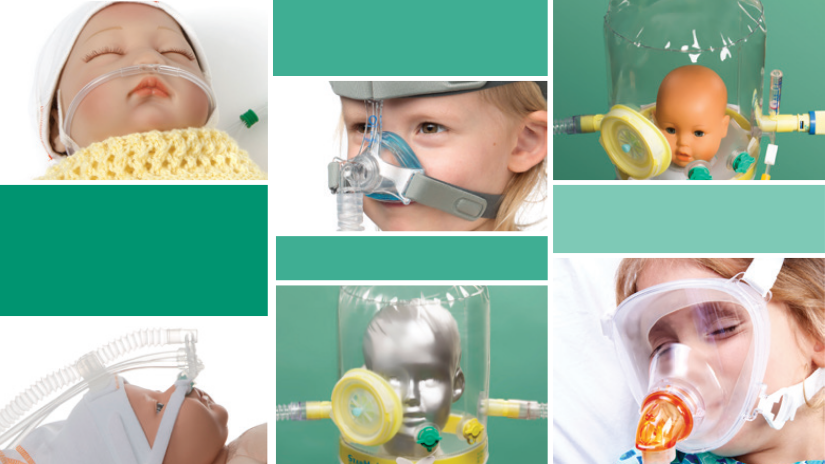
Respiratory diseases are among the leading causes of hospitalisation and mortality in infants and children worldwide. Conditions such as bronchiolitis, pneumonia, asthma exacerbations, and neuromuscular disorders can quickly compromise breathing, making early and effective respiratory support essential.
Nasal High Flow (NHF), Continuous Positive Airway Pressure (CPAP) and Non-invasive Ventilation (NIV) therapies can provide a safe and effective means of supporting breathing without the need for endotracheal intubation. By delivering positive airway pressure through a nasal interface, a mask or a helmet, NIV improves gas exchange, reduces the work of breathing, and helps prevent respiratory muscle fatigue. Its use is expanding across neonatal and paediatric intensive care units, emergency departments, and even home settings, reflecting its versatility and clinical value.
Achieving success with NIV depends greatly on the choice and fit of the patient interface. Selecting the appropriate mask or prongs - considering the child’s age, facial structure, and tolerance - is essential to ensure effective pressure delivery, minimise air leaks, and reduce the risk of skin breakdown or nasal injury. The availability of a wide range of interfaces, from nasal masks and pillows to total face masks and helmets, allows clinicians to tailor support to each patient’s needs. A well-fitted and comfortable interface not only enhances the efficacy of NIV but also improves patient compliance and overall outcomes.
Find out more about this topic by reading our LinkedIn article or visit our Paediatric Patient Interfaces product pages.
For further support, please contact us and submit an enquiry.